Drone activity at U.S.-Mexico border drops 75% after U.S. uses laser weapon, military says
Less than two weeks after the military first used a high-energy laser weapon system to down suspicious drones, military officials told CBS News there has been a roughly 75% decrease in the number of drones probing the southern border in the Rio Grande Valley.
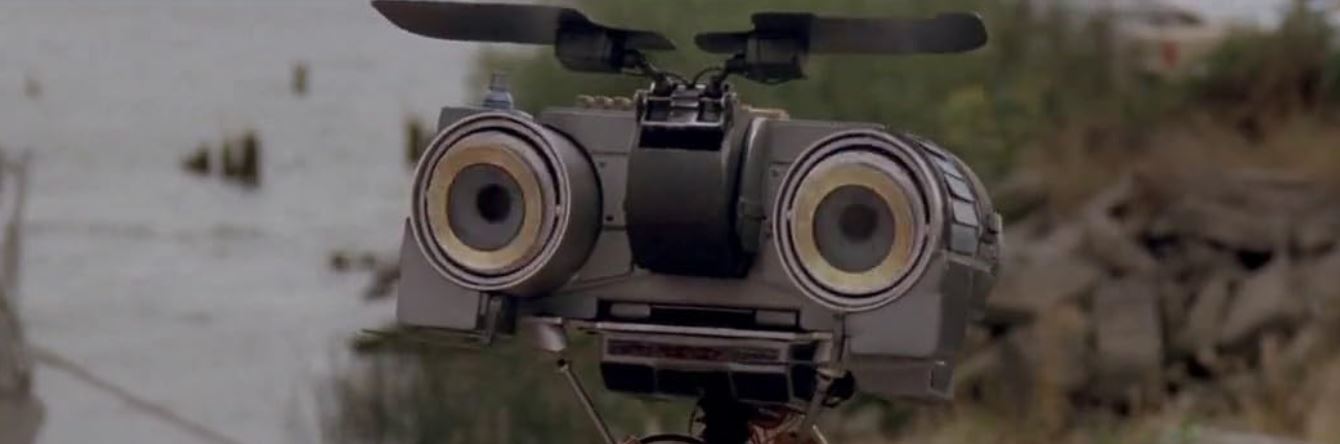
They aren’t calling it Johnny 5, but they should. Pete Hegseth was 6 years old when Short Circuit came out, so he should be savvy enough to have Ally Sheedy come out for a photo op.
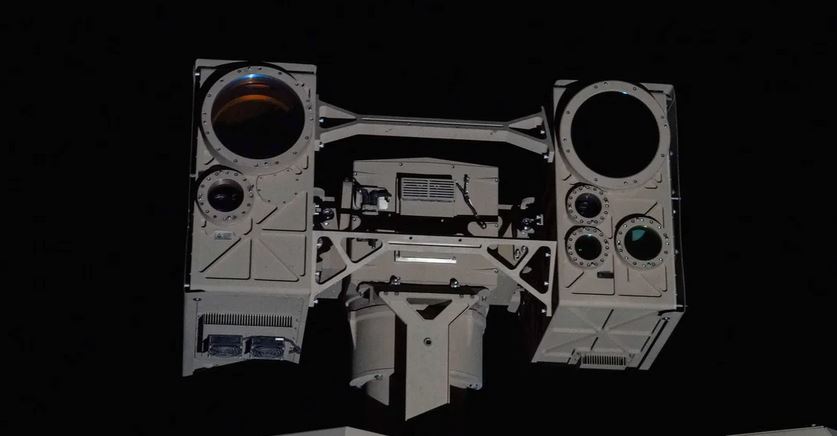
The actual system looks like this.
Quadcopter drones are small, cheap, maneuverable, but fragile. Counter-drone measures have to be relatively cheap.
An individual unit may cost around $17.4 to $25 million,…
Each shot only costs around $3,…
A quadcopter drone may cost between one and ten thousand dollars depending on the size and sophistication. For drug cartels or criminals, the economics are not in their favor.
Inside a vehicle with the laser mounted on top of it, other soldiers tracked the drone using an Xbox controller and a camera feed displayed on an iPad-like device. Once they had the target drone in sight, they deployed the laser to zap it.
Another advantage is that with a laser weapon, no lead is going to be hitting the ground a distance from the target. The drone will fall, but it’s light weight, so won’t hit hard.
Leave a Reply