This Financial Times article on 10 trends in 2024 is worth reading because FT is pretty balanced and insightful. To summarize:
Category: Economics (Page 7 of 10)

Biden putting $10 billion into high speed passenger trains.
This is another bad idea that we will have to spend a trillion dollars on before we give up.

WSJ: What Friends Can Teach About Money
WSJ: What Friends Can Teach About Money
Interesting article about how Gen Z and Millennials learn about managing money. The author does seem to have missed a few things.
A friend offered to pick up the whole tab on her credit card, “for the points.” At the time, six years ago, “for the points” meant nothing to Saint-Vil, now a 30-year-old planning manager in Brooklyn, so he pressed for more details. They lingered over the dim sum meal as a larger conversation unfolded about annual percentage rates, credit-card debt, payment schedules and more.
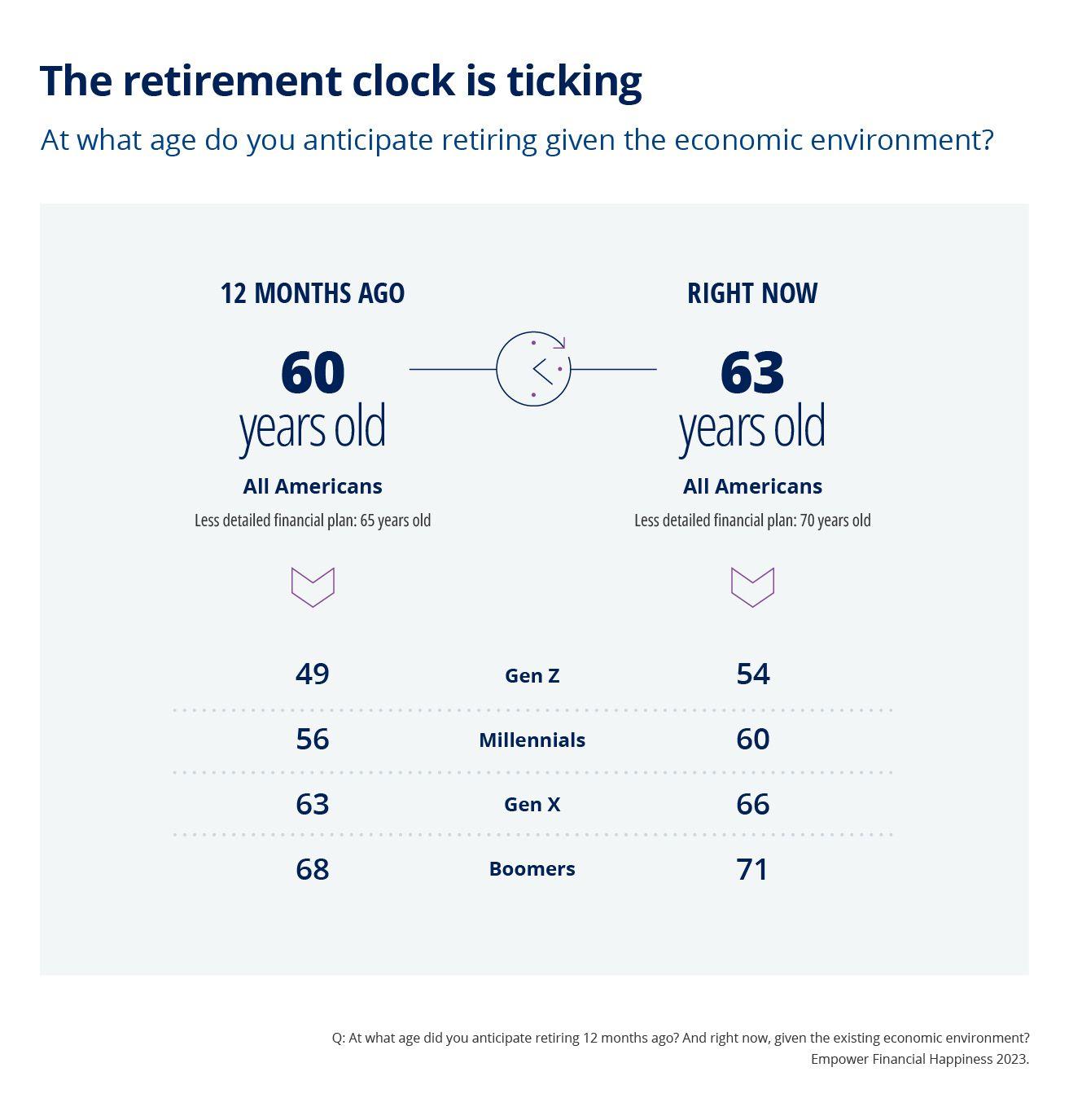
This website posts the results of an interesting poll conducted by Harris of 2000 adults.
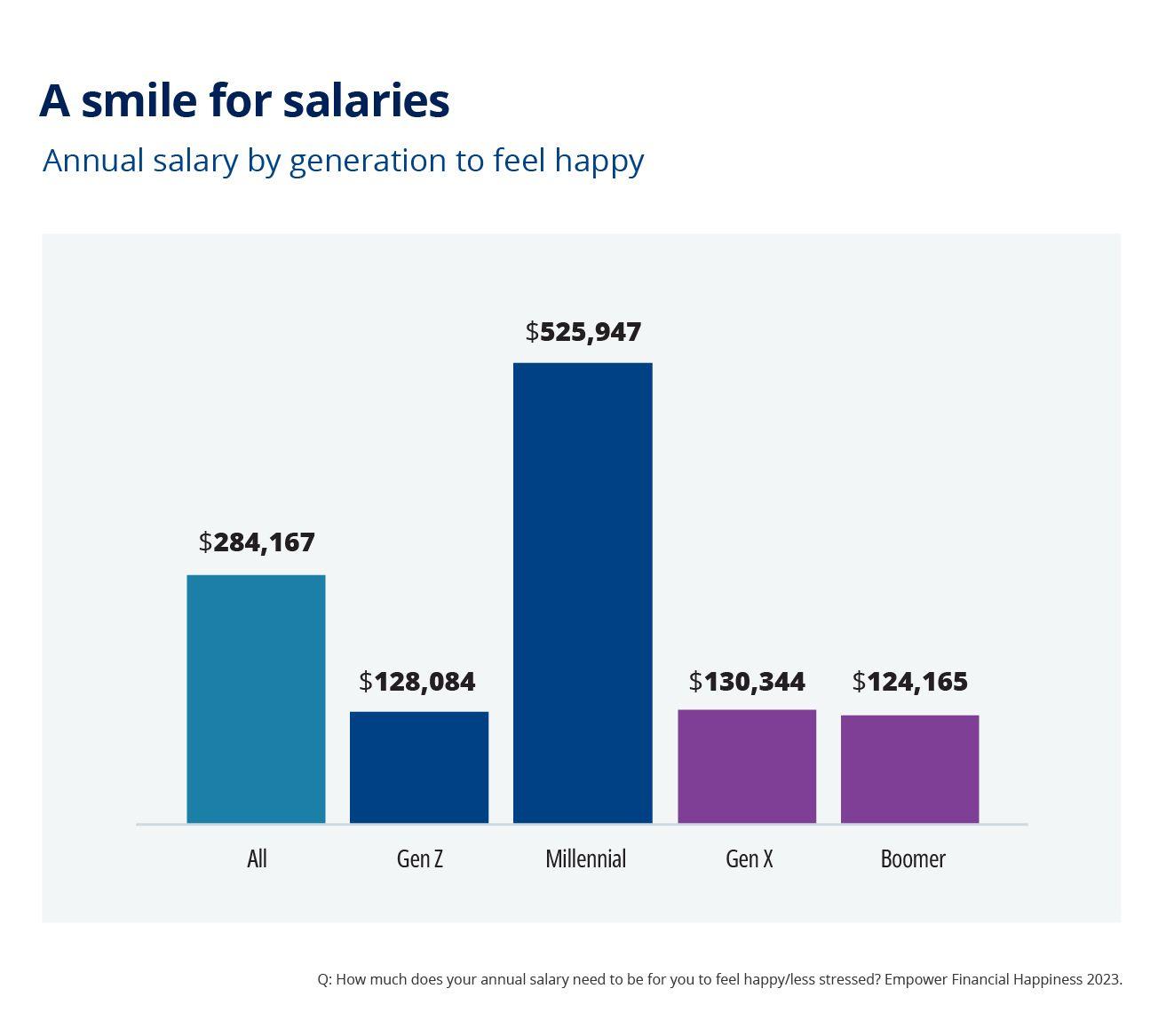
This website posts the results of an interesting poll conducted by Harris of 2000 adults.
It’s interesting that the generations agree on the required annual salary to be happy, with the exception of the Millennials. Boomers (1946 to 1964) are at or nearing retirement, so may be making that much or stable in retirement. Gen Z (1996 to 2012) are very early in their careers, so may be in college or unsure about careers. The survey was only people over 18, so kids in school didn’t count. Gen Z has an amazingly realistic annual salary requirement for people who may still be on their parent’s health insurance and cell phone plan.
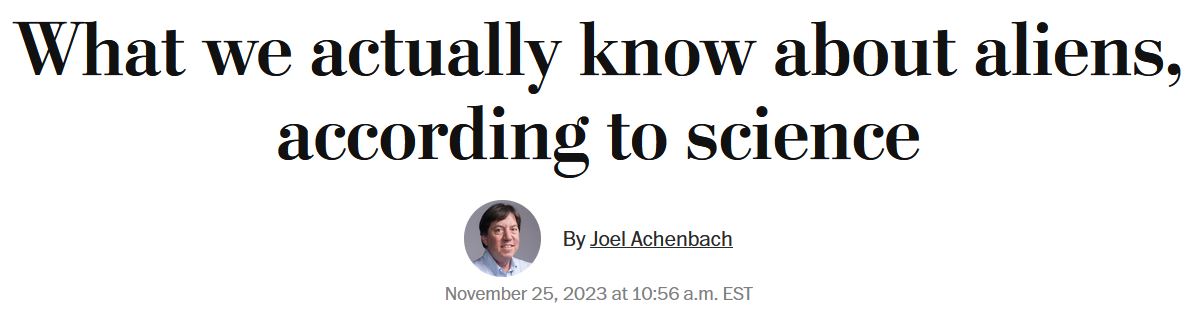
WaPo: What We Know About Aliens
It came from space, hurtling at tremendous speed: a mystery object, reddish, rocky, shaped like a cigar. Its velocity was so extreme it had to have come from somewhere far away, in the interstellar realm. The astronomers in Hawaii who spotted it in 2017 named it ‘Oumuamua, Hawaiian for “a messenger from afar arriving first.”
Don’t forget the unexplainable Wow! signal detected by Ohio State in 1977.

WSJ: Oregon Decriminalized Hard Drugs
WSJ: Oregon Decriminalized Hard Drugs
EUGENE, Ore.—Soon after Oregon became the first state to decriminalize all drugs in 2020, Officer Jose Alvarez stopped arresting people for possession and began giving out tickets with the number for a rehab helpline.
People sprawled on sidewalks and using fentanyl with no fear of consequence have become a common sight in cities such as Eugene and Portland. Business owners and local leaders are upset, but so are liberal voters who hoped decriminalization would lead to more people getting help. In reality, few drug users are taking advantage of new state-funded rehabilitation programs.
Anybody could have seen this coming, but somehow, they still think they are smarter than the rest of us. In Econ 100, you learn that people respond to incentives. Remove disincentives to take hard drugs, and more people take hard drugs.

WSJ: How to Know When It’s Time to Retire
WSJ: How to Know When It’s Time to Retire
Her finances were in order, and with friends passing away—including one just into retirement—she decided it was time. Still, when her last Friday arrived in June, she sat in front of her computer well into the evening, trying to convince herself to log off.
“It just felt like a part of my life was being cut,” she said.
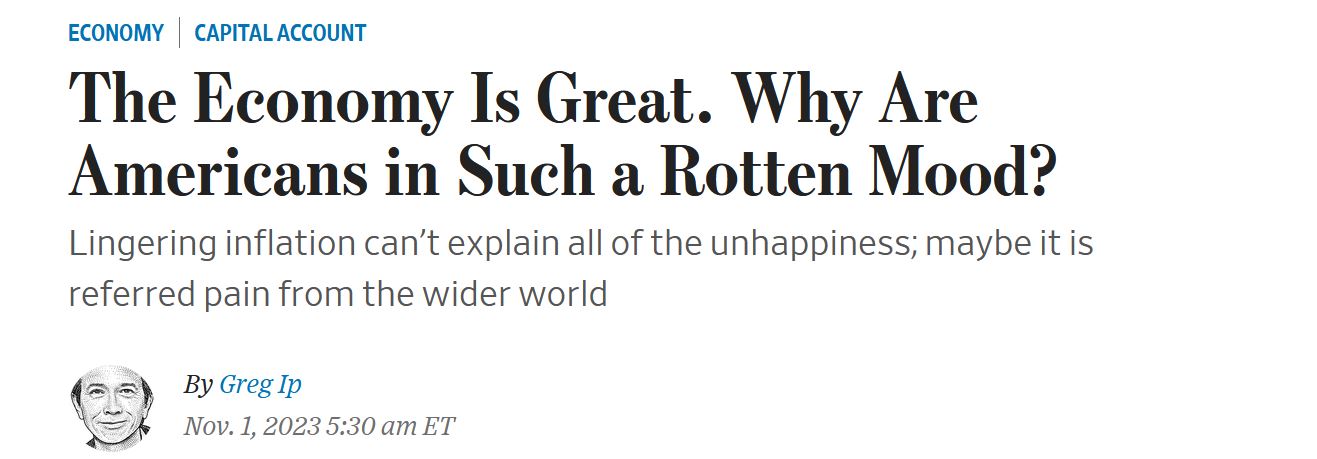
So if the economy is so good, why are Americans so gloomy? Confidence readings are depressed. Some 69% of respondents to a Wall Street Journal survey in August said the country is headed in the wrong direction. President Biden’s approval ratings are mired around or below 40%, and approval for his handling of the economy is even lower.
When the government and media have been lying to us about everything else, why should we believe them about the economy?
In recent years, technology has made a host of consumer transactions cheaper—from booking a vacation to buying stocks—but commission rates for selling a home haven’t really budged. That could soon change.
When I started working for real in the 1980’s, brokerage houses charged a minimum fee of $35 to buy or sell stocks. For small purchases, that was a big commission. Now, it’s virtually free to buy or sell. That opened the stock market to almost anyone.