FCC Approves Reflect Orbital’s Space Mirror Satellite That Astronomers Hate
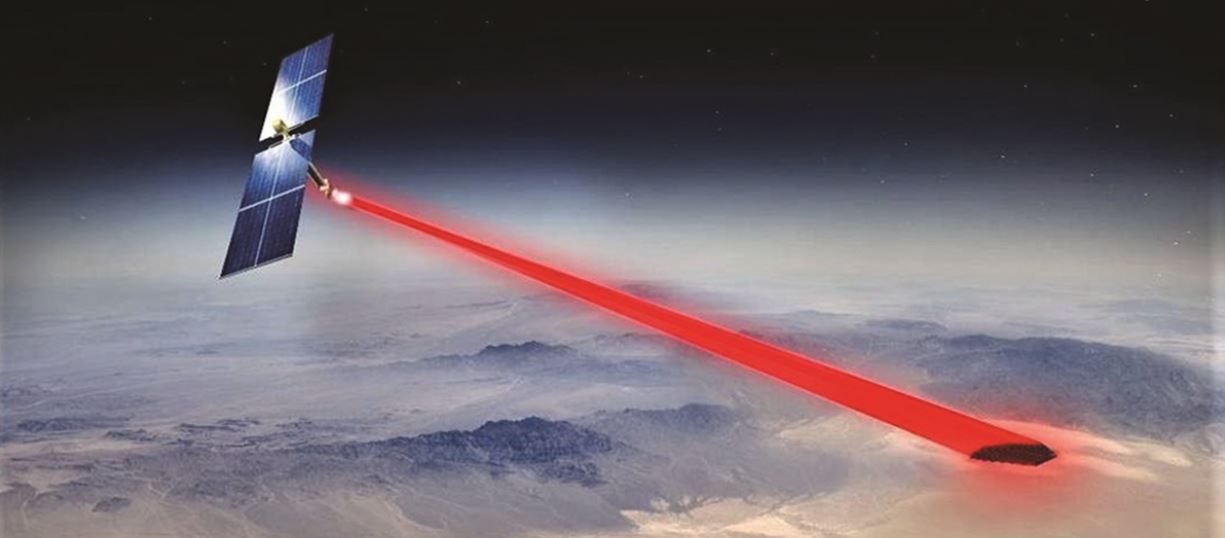
Despite a flood of objections, the FCC has approved a startup’s plan to launch a controversial satellite that’ll use a giant mirror to reflect sunlight to Earth after dark.
This technology is designed to heat up the planet by adding energy. If anyone ever cared about global warming, they should be talking about this.
I’m not very smart. I got a B- in Electrodynamics. There are people way smarter, but this should be obvious to anyone.
Put a pot of water on the stove, and set the burner to low. The burner adds heat to the water, as the water loses heat to the air in the kitchen. Eventually, the water reaches a stable temperature as the heat gained from the burner is balanced by the heat lost to the air.
If a lid is put on the pot, less heat is lost to the air, so the equilibrium temperature is higher.
Directing a kitchen torch to the side of the pot adds more heat, so the equilibrium temperature would go up.
Reflecting more sunlight on to the Earth, is like using the kitchen torch. The equilibrium temperature will be higher.
The FCC says that they are only authorized to rule on the radio frequencies. They are right to approve this, global warming isn’t in their purview.
The objections from environmental groups may be reasonable, but the global warming should be the major objection to adding more energy to the Earth’s environment.
The proposal has faced stiff pushback from environmental groups and astronomers who are concerned that the satellites will unleash intrusive light pollution.
The satellite reflectors are 18 meters by 18 meters. That’s an area of 324 square meters. Sunlight hitting the Earth has a power of about a thousand Watts per square meter. This satellite will add 324,000 Watts to the Earth.
Reflect Orbital envisions operating over 50,000 satellites by 2035, effectively surrounding the Earth with a fleet of mirrors.
That would add 16 GigaWatts to the Earth. Even if the solar energy is converted to electricity, it will eventually become heat.
The Earth’s equilibrium temperature changes slowly over time based on the wobble of the Earth, distance from the sun, and other astronomic conditions. The amount of vegetation or snow pack on Earth also bumps the needle.
In the distant past, Greenland had lush forests. At other times, Ohio was covered by a 1000 feet of ice. Earth’s climate changes due to natural processes over centuries. Adding GigaWatts of energy would ratchet up the average temperature. Smarter people should be talking about this.
If these satellites could be maneuvered to turn over, they could provide shade. When the Earth is heating up, shade would reduce our global temperature. When Earth enters a glacial phase, the satellites could be positioned to add energy to the system, reducing the global cooling. Satellites designed to dampen the extremes could be very useful.
Leave a Reply