U.S. Army Plans to Power Bases With Tiny Nuclear Reactors
U.S. Army Plans to Power Bases With Tiny Nuclear Reactors
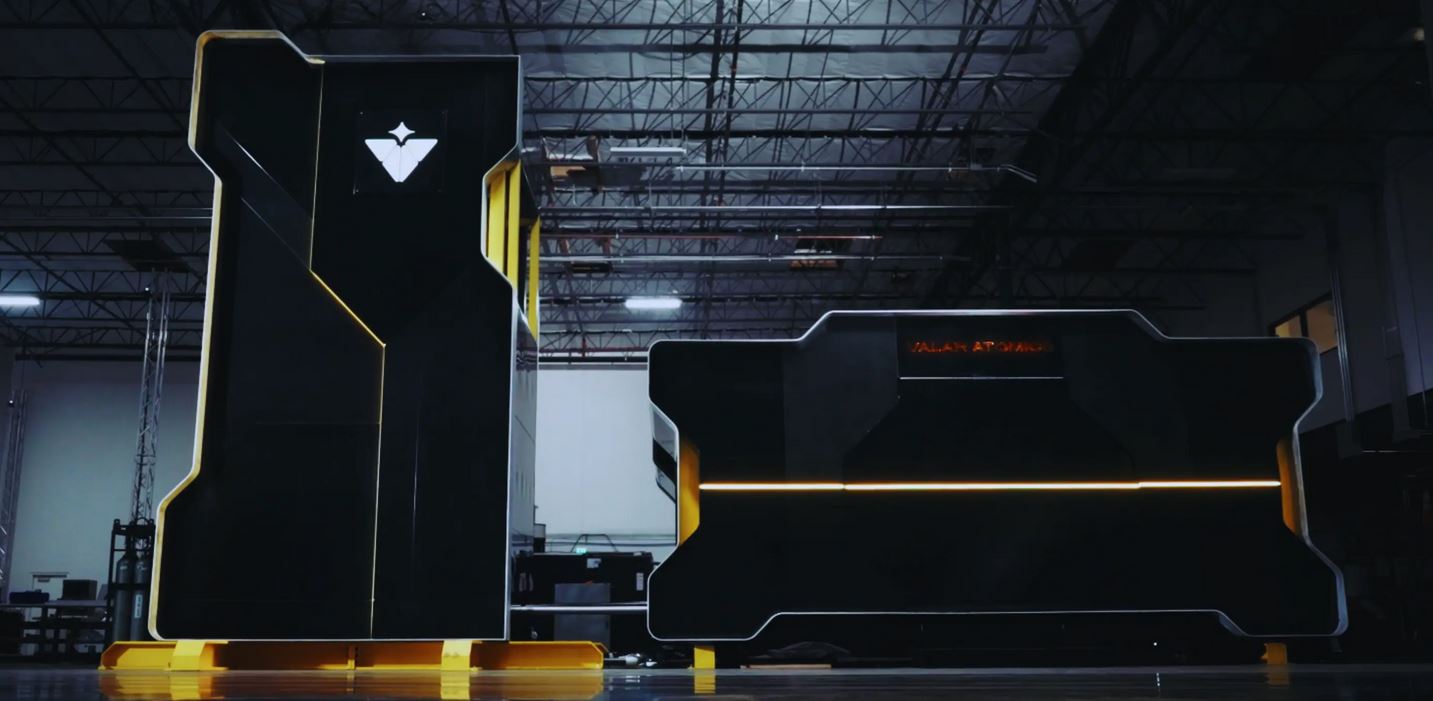
This microreactor from Valar Atomics looks super cool, and this sounds like a good idea.
The U.S. military is making one of its most significant pushes yet into modern nuclear power with a program to put small reactors on Army bases across much of the country where strained power grids can’t keep up with rising energy demands.
For fifty years, all new submarines and big aircraft carriers have been nuclear powered. The Navy has built up significant expertise, so applying nuclear power to military bases make sense. The goal is to make the military bases more resilient by making the bases independent of the local power grid.
The reactors will be owned and operated by commercial companies, although the Army and Energy Department will help with technical aspects and uranium fuel supply.
Interestingly, that is the arrangement for submarines and aircraft carriers. The nuclear power plants are leased from commercial companies.
Another advantage is that in a natural catastrophe, a military base would be a secure, hardened and operational base to assist the local community. The military has thousands of installations in the US, but many are office building or small depots, for some other reason, not appropriate for an onsite nuclear reactor. Getting a couple of hundred bases with microreactors scattered around the country, make everyone safer.
The third advantage is that this will ease the civilian implementation of nuclear power plants.
There are advantages and disadvantages to microreactors.
A microreactor supplies about 20 Megawatts, which is the average power usage of 40,000 homes. A commercial electrical power plant generates about 50 times more power than a microreactor.
Microreactors are small enough to be made in a factory, and transported to the site. The cost of a microreactor is about $100 million, but mass production could get the cost down to a quarter of that. That seems expensive, but with a US defense budget of about a trillion dollars, just 0.1% of that would get the job done in a few years.
Leave a Reply