Social media algorithms are so tedious. Youtube Shorts are the worst. This video short has been presented on my Youtube feed for several days.
Social media algorithms are so tedious. Youtube Shorts are the worst. This video short has been presented on my Youtube feed for several days.
Ohio’s Manufacturing Renaissance: A Blueprint for American Prosperity
Ohio is experiencing a manufacturing renaissance that’s transforming our economic landscape. Our state ranks third in the nation for manufacturing jobs, with more than 687,000 Ohioans employed in the sector, producing over $134 billion in manufactured goods annually.
That sounds great!

An article I was reading led me to the Reader’s Digest. I was surprised that it still exists, and that it’s worth visiting.
If you are weary of reading about Trump, Biden, P. Diddy and Pope Leo, the Reader’s Digest is what you need.
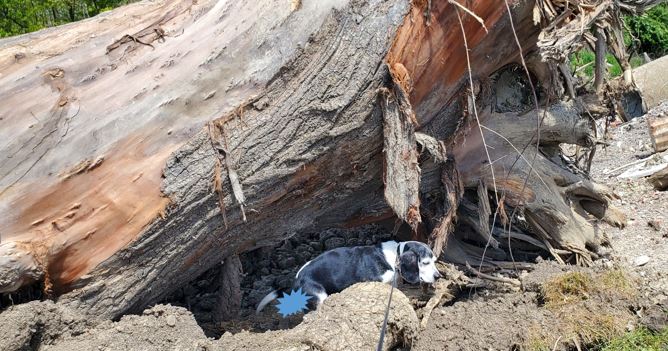
or inverted. Maybe it’s ironic, who knows?
The point is, the first time I took Sparky outside to do his dirty business, he pooped on a stump. Today, he got to shit under a stump. Sparky appreciates the strange twist.

The life-or-death case for self-driving cars
The studies are in, and self-driving cars are a good idea. We should remain skeptical.
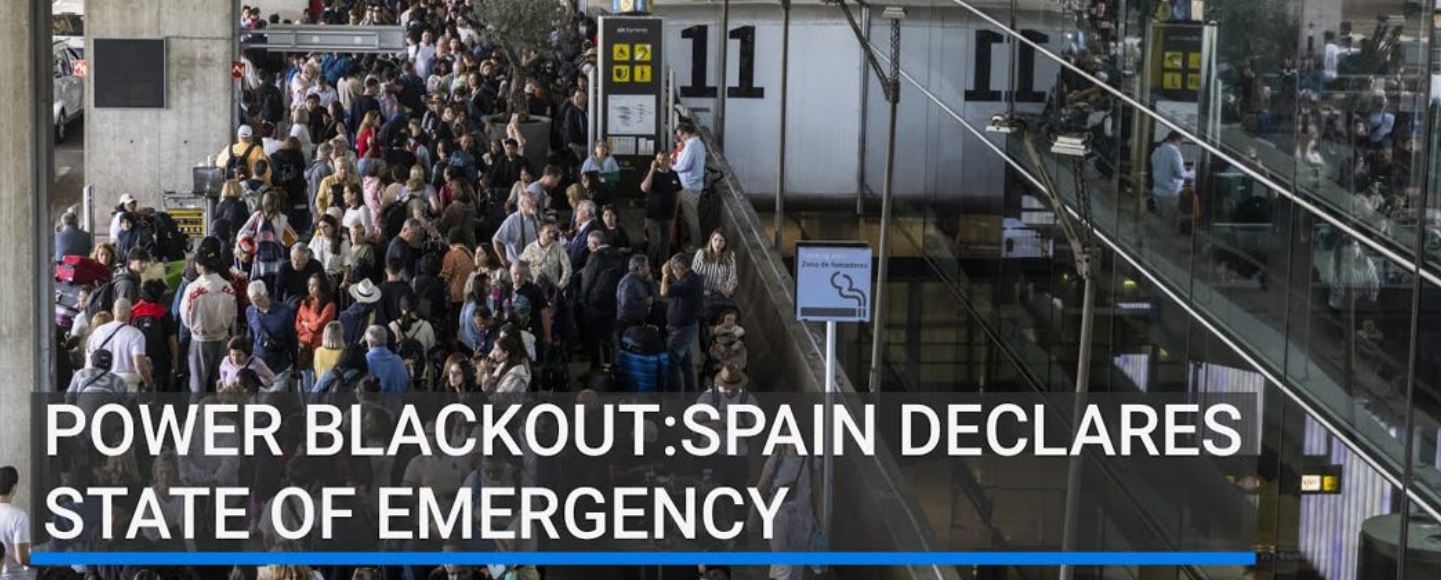
This article explains why a high percentage of power generated by wind and solar could have caused the power outage. In a separate post, I explained that Spaniards don’t worry about what could happen. That would explain the lack of backup power and the total disruption from the outage.
Spain and Portugal hit by unexplained power blackout.
The power is coming back on for parts of Spain and Portugal, more than 12 hours after the massive outage shut off traffic lights and caused chaos at airports, train stations and on the roads.
Both countries have declared states of emergency as authorities work to manage the situation.
It’s not clear why this is a big story in international news or why Spain and Portugal declared a state of emergency. This time of year, it’s pretty pleasant on the Iberian Peninsula, and much of the power was back on after 6 hours.
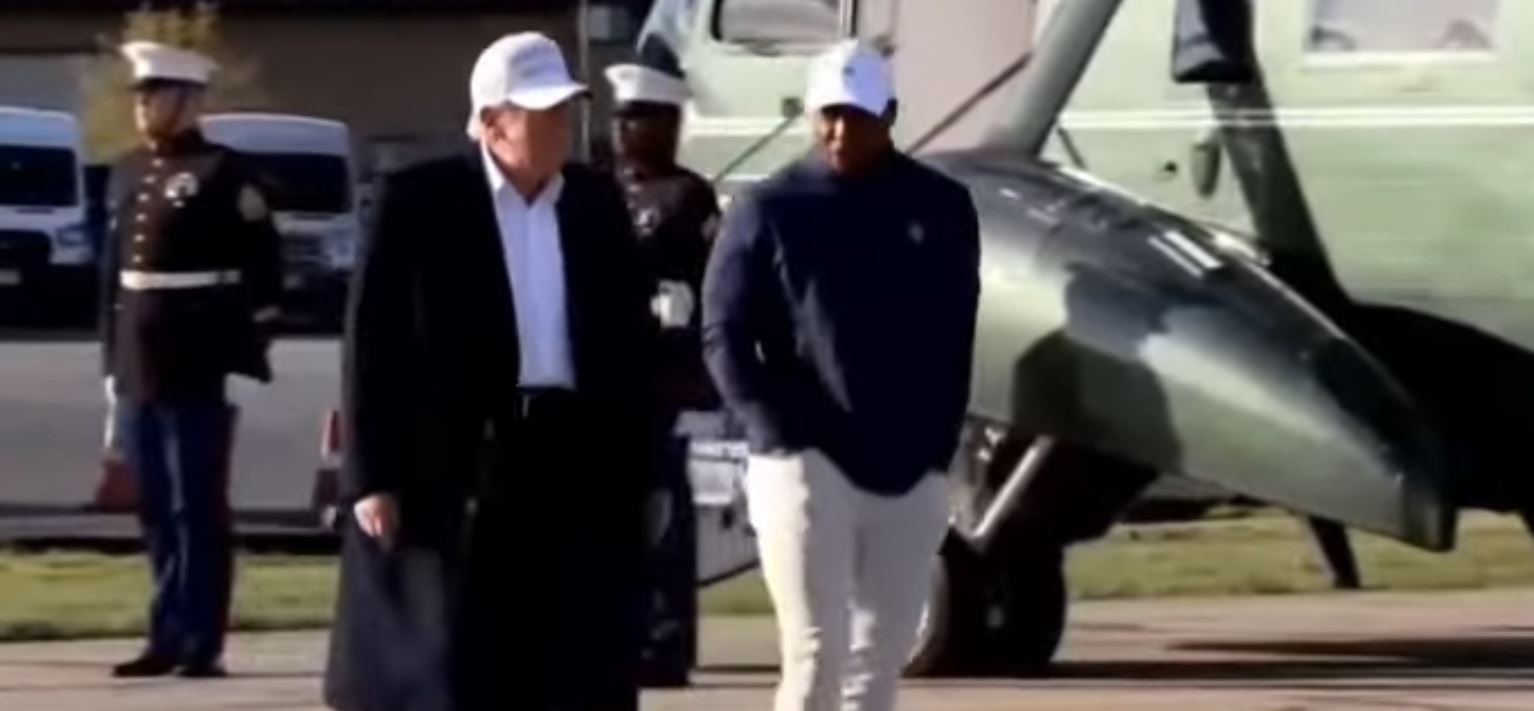
Eagles’ Saquon Barkley hangs out with Trump after teammate dodges question on White House visit
This is an interesting article, but no reports give the whole story. They all say the same thing. The Philadelphia Eagles won the Super Bowl, Barkley is the star running back, he spent time with Trump and his teammate is reluctant to accept an invitation to visit the White House.
I don’t give a shit about football, and wasn’t aware that the Eagles won the Super Bowl. How did a 28 year-old football player land a seat on Marine One with the president?
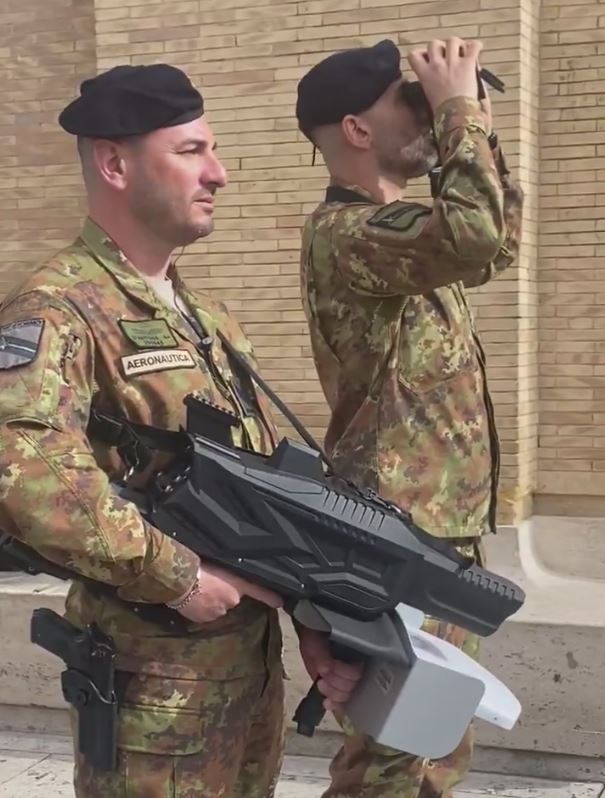
Star Ship Trooper spotted in Rome.
That is an Italian soldier holding an anti-drone weapon at the Pope’s funeral.
© 2026 Big Stick Physics
Theme by Anders Noren — Up ↑